
Author: Erin @ Team Afford Anything

  • |

    #309: Are We Due For Another Housing Market Crash?

    [smart_track_player url="https://traffic.libsyn.com/secure/paulaandjaymoney/AA309.mp3" title="Are We Due For Another Housing Market Crash?" artist="Paula Pant" social="true" social_twitter="true" social_facebook="true" social_gplus="true" social_linkedin="true" social_stumble="true" social_pinterest="true" social_email="true" ]

    Are we in a housing bubble?

    Are we going to see a repeat of 2006 all over again?

    Are there any good investment deals to be found right now?

    These are the questions playing on many people’s minds, and we seek to explore the answers in today’s First Friday bonus episode.

    We start by exploring some of the forces that are at play in today’s real estate market. What separates the market of 2006 from the market of today?

    In the second half of the episode, Paula explains how and why she chose to buy a duplex in Indianapolis, despite being in a seller’s market. There are deals to be had if you know where to look and what to look for.

    Enjoy!

  • |

    #303: A World Without Email, with Cal Newport

    [smart_track_player url="https://traffic.libsyn.com/secure/paulaandjaymoney/AA303.mp3" title="A World Without Email, with Cal Newport" artist="Paula Pant" social="true" social_twitter="true" social_facebook="true" social_gplus="true" social_linkedin="true" social_stumble="true" social_pinterest="true" social_email="true" ]

    Photo of Cal Newport, credit Penny Gray

    Wouldn’t it be nice if our inbox magically managed itself?

    Let’s go a step further.

    What if we could live in a world without email?

    Email overload takes a real toll on us – on our workflow, and on our brains. A study conducted by RescueTime found that most workers can’t go six minutes without checking email. That, combined with how inefficient we become when switching tasks, creates a gigantic loss of productivity during our workday.

    Joke’s on you! I don’t use email. I use Slack instead. Ha!

    Slack isn’t any better than email. Any platform that allows for endless back-and-forth communication will cause your productivity to plummet. How are you supposed to get any work done outside of Slack or email if you’re busy checking in every six minutes? Those constant notifications can keep you engaged with unstructured conversation to the point where the day ends and you’ve had no time to get actual work done.

    Hmm, those days do suck. But how else am I supposed to communicate with my teammates when something needs to be done?

    There are plenty of alternatives that don’t involve back-and-forth messaging. Cal Newport, third-time guest of the show, joins us to talk about these alternatives. His new book, A World Without Email, explores the pitfalls of the “hyperactive hive mind workflow” and the structures and systems workplaces have adopted to cut down on noise and increase productivity.

    Cal gives us a brief history lesson on how email came to dominate the workplace, explains the inefficiencies and limitations with email, and tells us which mindset shifts to make in how we manage our time, energy, and attention at work.

  • |

    #302: The Financial Benefits of Optimism, with Michelle Gielan

    [smart_track_player url="https://traffic.libsyn.com/secure/paulaandjaymoney/AA302.mp3" title="The Financial Benefits of Optimism, with Michelle Gielan" artist="Paula Pant" social="true" social_twitter="true" social_facebook="true" social_gplus="true" social_linkedin="true" social_stumble="true" social_pinterest="true" social_email="true" ]

    What comes to mind when you think about optimism?

    Yeah right, how can anyone be optimistic at a time like this?

    *eye roll* What fluff.

    Uh…does being optimistic about my chances of eating cake count?

    Given our current circumstances, optimism might feel worthless, useless, or both. But optimism doesn’t have to be this mythical, unobtainable pie-in-the-sky concept, especially when considered from this lens:

    the expectation of good things to happen and the belief that our behavior matters.

    Why? Because we have control of our expectations and our beliefs. We can choose to alter our expectations, and we can choose to believe that our behavior matters.

    That’s what Michelle Gielan, Positive Psychologist and bestselling author of Broadcasting Happiness, is here to explain. In this episode, she offers research-based tactics that you can use today to gradually strengthen your resolve, transform your relationship with stress, and shift towards optimism.

  • |

    #298: How to Talk to Friends about Money, with Erin Lowry

    [smart_track_player url="https://traffic.libsyn.com/secure/paulaandjaymoney/AA298.mp3" title="How to Talk to Friends about Money, with Erin Lowry" artist="Paula Pant" social="true" social_twitter="true" social_facebook="true" social_gplus="true" social_linkedin="true" social_stumble="true" social_pinterest="true" social_email="true" ]

    When going to restaurants with friends, does the idea of splitting the bill make you so anxious you can’t enjoy the food?

    If someone asks you to be in their wedding party, is it an honor, or a stomach-churning ordeal?

    Are you so afraid of discussing financial situations with friends and family that you let others have a say in what you spend your money on?

    Awkward money conversations are an inevitable part of life. Whether it’s turning down invitations to go out with coworkers, trying to maintain friendships despite a limited budget, or discussing caring for aging parents with siblings, talking about money is a critical skill that can serve us for a lifetime.

    If this is an area you could use a little help with, you’re not alone. Erin Lowry, author of Broke Millennial Talks Money, joins us on the show to share scripts and strategies for tactfully navigating life’s most awkward and common money conversations.

  • | | |

    #296: Investing is the Art of Probabilistic Thinking

    [smart_track_player url="https://traffic.libsyn.com/secure/paulaandjaymoney/AA296.mp3" title="Investing is the Art of Probabilistic Thinking" artist="Paula Pant" social="true" social_twitter="true" social_facebook="true" social_gplus="true" social_linkedin="true" social_stumble="true" social_pinterest="true" social_email="true" ]

    There’s a lot happening in the market.

    The Dow is at a new high, there are runaway stocks causing irrational exuberance, and yet, unemployment claims are on the rise. How can this be?

    To make sense of this, we’re dedicating today’s show to discuss how improving judgment and using mental models can protect us against risks and short-term thinking. We also touch on the so-called death of cities, and what this means for real estate investors.

    This episode is for you if: you’re confused about why the stock market is doing so well while the world definitely isn’t, you’re getting caught up in market trends and wondering if you should make a risky investment, or you’re curious about whether cities will make a comeback after this is all said and done.

    Continue reading for a quick preview of everything discussed in this episode.

  • |

    #295: What Your Childhood Taught You About Money, with Rachel Cruze

    [smart_track_player url="https://traffic.libsyn.com/secure/paulaandjaymoney/AA295.mp3" title="What Your Childhood Taught You About Money, with Rachel Cruze" artist="Paula Pant" social="true" social_twitter="true" social_facebook="true" social_gplus="true" social_linkedin="true" social_stumble="true" social_pinterest="true" social_email="true" ]

    Have you ever stopped to wonder why you find it so painful to part with your money? Or why money seems to slip through your fingers as soon as you get paid? 

    Are you able to define your values and connect them with how you manage your finances? 

    Have you deeply examined the fears you have around money, and how those fears influence your financial behavior? 

    In simple terms: what’s the motivation behind your money management style? 

    Whether you’ve pondered these questions for years or they’ve never crossed your mind, digging into your money story can shed valuable insight on your behaviors with money. Those insights may help you develop a healthier relationship with money. 

    Rachel Cruze, four-time bestselling author, two-time guest of the show, and daughter of Dave Ramsey, joins us today to talk about three frameworks that can help us better understand our money habits. 

  • |

    #293: The One Question That Makes Everything Easier, with Geoff Woods

    [smart_track_player url="https://traffic.libsyn.com/secure/paulaandjaymoney/AA293.mp3" title="The One Question That Makes Everything Easier, with Geoff Woods" artist="Paula Pant" social="true" social_twitter="true" social_facebook="true" social_gplus="true" social_linkedin="true" social_stumble="true" social_pinterest="true" social_email="true" ]

    Are you ready to say goodbye to bad habits from 2020 and say hello to habits that will actually guide you toward the person you want to become?

    If so, a simple framework for building better habits is only a few minutes away.

    After listening to this episode, you’ll have a step-by-step approach for creating habits that will serve you for years to come. This approach brings clarity around the one thing you need to focus on to live the life you’re dreaming of. 

    Our guest is Geoff Woods, Vice President of The ONE Thing and host of The ONE Thing podcast. (You might be familiar with the book by the same name.) He is an expert at ruthlessly prioritizing tasks, developing values-based habits, and getting clear on the one thing that needs to be done to achieve a vision.

    The simple framework that he presents in today’s interview gives you the tools you need to focus deeply and commit to actions that will take your productivity and personal development to the next level this year.

  • |

    PSA Thursday: Kickoff 2021 with a 31-Day Challenge

    [smart_track_player url="https://traffic.libsyn.com/secure/paulaandjaymoney/AA292b_PSA_Thurs_-_Kickoff_2021.mp3" title="PSA Thursday: Kickoff 2021 with a 31-Day Challenge" artist="Paula Pant" social="true" social_twitter="true" social_facebook="true" social_gplus="true" social_linkedin="true" social_stumble="true" social_pinterest="true" social_email="true" ]

    Happy 2021Welcome back to PSA Thursday, a weekly-ish segment in which we talk about how to handle money, work, and life in the year that is 2020.
    Today, we’re looking toward the future with a focus on kicking off 2021 with fresh energy and inspiration.

    This episode contains a sneak peek of our 31-day challenge, and if you sign up here, you’ll receive a daily email that contains:

    • One key lesson or takeaway from a book that we love in the areas of psychology, finance, entrepreneurship, or productivity
    • One question, related to how you can apply that lesson to your own life
    • One challenge or action that you can take that will directly relate to that lesson

    We also have an exclusive group in our community platform where you can join other members and take part in the challenge together.

    This challenge is a powerful way to start 2021 with support, encouragement, guidance, and fresh momentum.

    Happy New Year!

  • |

    PSA Thursday: Year-End Tax Moves to Finish 2020

    [smart_track_player url="https://traffic.libsyn.com/secure/paulaandjaymoney/AA291b_PSA_Thursday_-_Year-End_Tax_Moves_to_Finish_2020.mp3" title="PSA Thursday: Year-End Tax Moves to Finish 2020" artist="Paula Pant" social="true" social_twitter="true" social_facebook="true" social_gplus="true" social_linkedin="true" social_stumble="true" social_pinterest="true" social_email="true" ]

    Welcome back to PSA Thursday, a weekly-ish segment in which we talk about how to handle money, work, and life in the year that is 2020.

    Today, we focus on end-of-year tax planning and what you can do to prepare before you celebrate the end of 2020.

    Here’s what we cover:

    1. Open a retirement account – you can make contributions that can be retroactively applied to 2020
    2. Adjust your tax withholdings
    3. Check your 529 Plan – see if your contributions qualify for a state income tax deduction or credit
    4. Make charitable contributions
    5. This could be a good year to make a Roth conversion
    6. Spend down the balance in your FSA – you can only rollover up to $500
  • |

    #291: How to Command Respect at Work, with Tracy Tutor

    [smart_track_player url="https://traffic.libsyn.com/secure/paulaandjaymoney/AA291.mp3" title="How to Command Respect at Work, with Tracy Tutor" artist="Paula Pant" social="true" social_twitter="true" social_facebook="true" social_gplus="true" social_linkedin="true" social_stumble="true" social_pinterest="true" social_email="true" ]

    Are you confident in your ability to lead a virtual conversation, or do you get so nervous that you forget everything you planned to say as soon as you open your mouth?

    Do you know how to keep people engaged during meetings, or do you notice people looking elsewhere for a distraction?

    Are you able to listen to your gut and speak your truth when things go awry, or do you silence your inner voice and doubt your feelings?

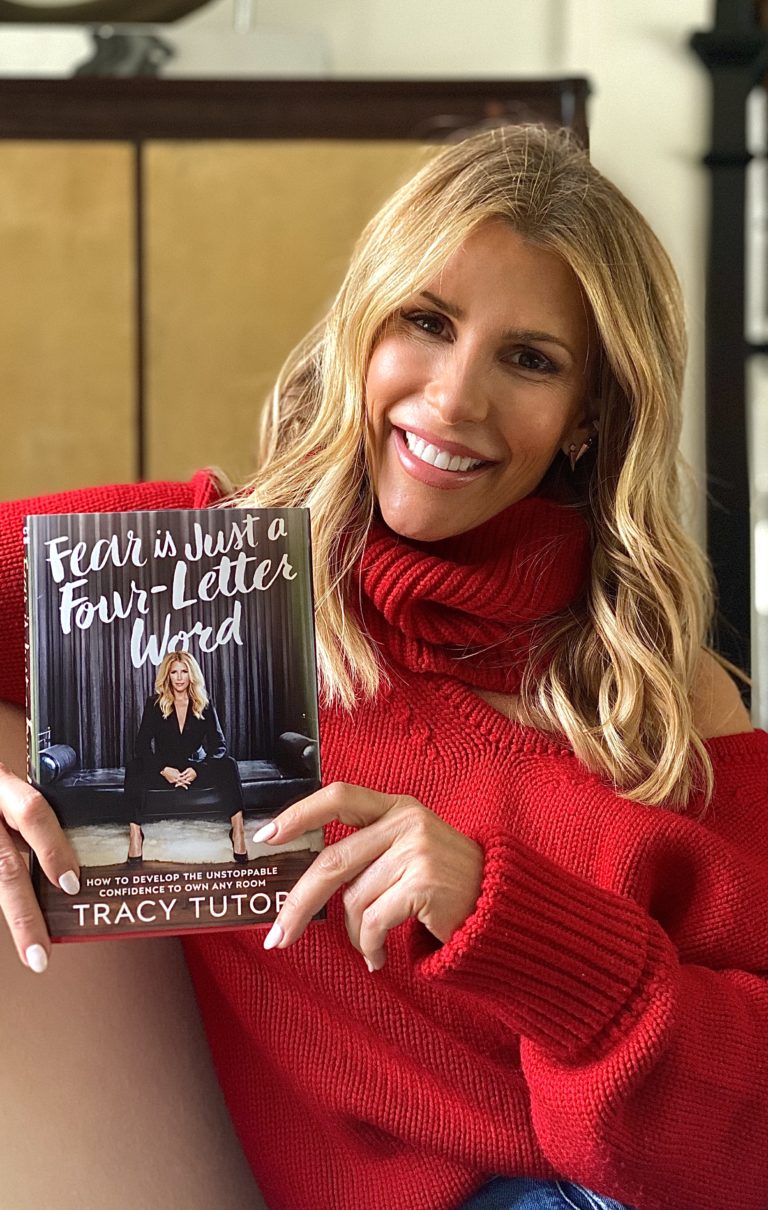
    Tracy Tutor, author of Fear is Just a Four Letter Word and the first female real estate broker on Million Dollar Listing LA, joins us to tackle all of these questions. In this interview, Tracy shares how she learned to listen to her gut after experiencing trauma at the hands of larger-than-life egos, tips for engaging clients and managing group dynamics both virtually and in-person, and why humor can connect us all.