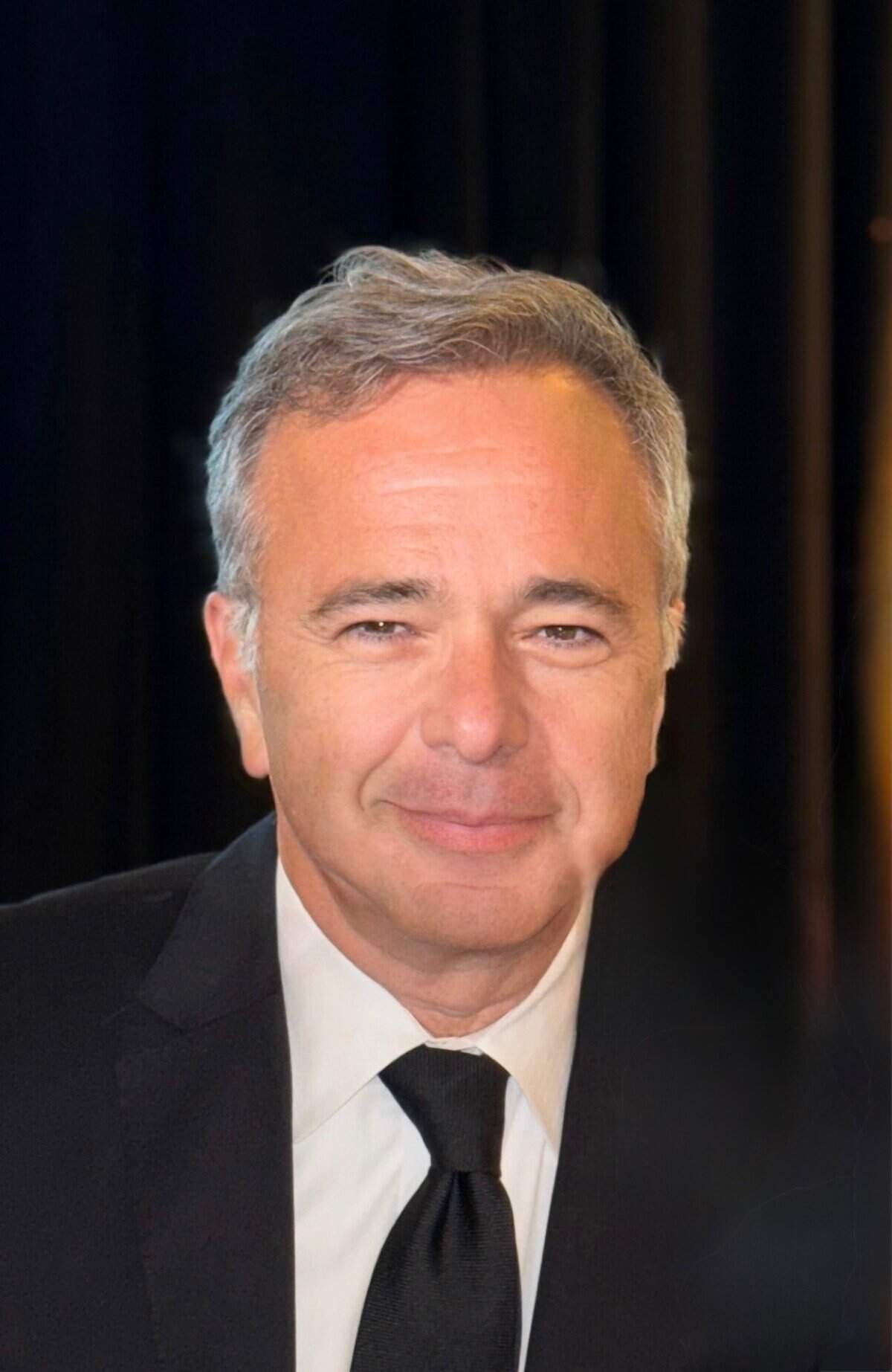
#689 Your Brain Is Your Most Important Asset, with Dr. Majid Fotuhi, MD, PhD
 In this conversation, I sit down with Dr. Majid Fotuhi to explore one of the biggest forces quietly reshaping our economy: healthcare, longevity, and the role of AI in medicine.
We talk about the tension between automation and humanity, the real risks of device addiction, and what it means to live in a world where virtual experiences are competing with physical reality. But beyond the philosophical questions, there’s a powerful investing angle here.
If healthcare, longevity, and human-centered services become more valuable in the decades ahead, what does that mean for markets, for financial planning, and for how we allocate capital today?
This episode is about more than medicine. It’s about where the world is going, and how we position ourselves for it.
Listen Here
Apple Podcasts
Spotify
Youtube
Key Takeaways
Healthcare may be the next major investing wave. As populations age and longevity increases, demand for healthcare innovation, elder care, and preventive medicine continues to grow. The “longevity economy” isn’t a niche, it’s becoming a structural force in global markets.
AI is powerful, but it shouldn’t replace human care. There’s a growing concern around dehumanization: device addiction, overreliance on digital tools, and what happens when people prefer virtual interaction over physical connection. In healthcare especially, human judgment and empathy remain irreplaceable.
Automation forces us to redefine human value. As machines take on more tasks, we’ll need to rethink which work is uniquely human. Coaching, teaching, caregiving, and relational roles may become more valuable, not less.
We are underestimating the cost of device addiction. Rising anxiety, isolation, and mental health challenges, particularly among younger generations, carry long-term societal and economic consequences that deserve more attention.
Longevity changes financial planning. Living longer isn’t just about saving more. It requires rethinking healthcare costs, quality of life, purpose, and how we structure portfolios to support both financial security and physical well-being.
Resources
Dr. Fotuhi’s Book – The Invincible Brain
Dr. Fotuhi’s website
Chapters
Note: Timestamps are approximate and may vary across listening platforms due to dynamically inserted ads.
(00:00) Introduction
(06:45) Your brain as your biggest financial asset
(15:05) Common causes of reversible cognitive issues
(27:02) The 5 pillars of brain health
(34:05) Why exercise is the #1 brain health investment
(42:05) Optimizing sleep and supplements
(01:02:25) Brain-healthy nutrition strategies
(01:11:05) How aging affects the brain
(01:21:05) Managing stress through breathing exercises
(01:39:05) Preventing brain shrinkage and memory techniques
Thanks to our sponsors!
Policy Genius
Secure your family’s future with Policygenius. Head to policygenius.com to compare life insurance quotes from top companies and see how much you could save.
Mint Mobile
Quit overspending on wireless with 50% off Unlimited premium wireless. Plans start at $15/month at mintmobile.com/paula
Nerdwallet
Go to nerdwallet.com/paula to learn more and find the funding you deserve.
Prolon
Visit prolonlife.com/PAULA to claim your 15% discount and your bonus gift.
Monarch
Set yourself up for financial success in 2026 with Monarch. Use code AFFORD at monarch.com for half off your first year.