 Why do so many parents want to teach their kids about money, yet feel unsure where to start?
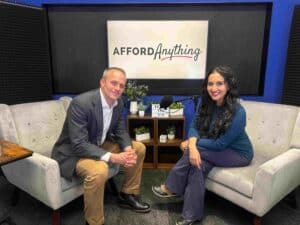
In this episode, I sit down with Stephen Day to explore a practical, play-based way to help kids build real financial habits early in life. Stephen introduces the idea of a household “mini economy,” where children earn money through age-appropriate jobs and make real spending and saving decisions.
We talk about why the elementary years are a critical but often overlooked window for financial education, and why kids need practice with money far more than lectures. Stephen explains how executive function, delayed gratification, and autonomy develop over time, and how a simple system at home can reinforce those skills naturally.
We also dive into one of the most debated parenting questions around money: should kids be paid for chores? Drawing from behavioral psychology, Stephen outlines how families can balance intrinsic motivation with paid work, separate family responsibilities from income-earning jobs, and use money as a teaching tool without undermining values.
This conversation is not about raising kids who obsess over money. It’s about helping them build the habits, judgment, and self-regulation they’ll need to make good decisions throughout their lives.
Key Takeaways
Kids learn money best through practice, not information, especially at younger ages.
The elementary years are when financial habits, norms, and routines begin to form.
A household mini economy helps kids connect work, income, saving, and spending in a concrete way.
Paying kids for some work does not eliminate intrinsic motivation when family expectations remain clear.
Giving kids autonomy over small financial choices builds self-regulation and long-term decision-making skills.
Resources
EconEdLink – a Council for Economic Education program that focuses on the economic and financial education of students from kindergarten through high school
Teach a Kid To Save – Stephen’s Book
Chapters
Note: Timestamps are approximate and may vary across listening platforms due to dynamically inserted ads.
(0:00) Introduction
(2:10) Why teaching kids about money early matters
(5:45) The idea of a “mini economy” for kids
(9:30) Giving kids real responsibility and choice
(14:50) Allowance vs earning money
(20:40) Letting kids make (small) money mistakes
(27:15) Teaching value, tradeoffs, and delayed gratification
(34:50) How parents can model good money behavior
(42:30) Lessons kids carry into adulthood
(50:10) Final thoughts and takeaways

Thanks to our sponsors!
Policy Genius
Secure your family’s future with Policygenius. Head to policygenius.com to compare life insurance quotes from top companies and see how much you could save.
Mint Mobile
Quit overspending on wireless with 50% off Unlimited premium wireless. Plans start at $15/month at mintmobile.com/paula
Indeed
Don’t leave hiring to chance, hire better and work better with Indeed. Visit indeed.com/credit
MasterClass
Enjoy 15% off any annual membership at masterclass.com/afford
Fabric
Join the thousands of parents who trust Fabric to help protect their family. Apply today in just minutes at meetfabric.com/PAULA
