Blog

  • |

    #180: The Million-Dollar, One-Person Business – with Elaine Pofeldt

    [smart_track_player url="https://traffic.libsyn.com/paulaandjaymoney/AA180.mp3" title="The Million-Dollar, One-Person Business - with Elaine Pofeldt" artist="Paula Pant" social="true" social_twitter="true" social_facebook="true" social_gplus="true" social_linkedin="true" social_stumble="true" social_pinterest="true" social_email="true" ]

    Elaine Pofeldt, a writer for CNBC, Forbes, Fortune, Money Magazine and other business publications, decided to deep-dive into the world of solopreneur million-dollar companies.

    What are the stories of entrepreneurs who gross $1 million or more in their businesses, despite having no employees? How did they begin? What do they do differently?

    She interviewed hundreds of founders of non-employer seven-figure companies and wrote a book about her findings called The Million-Dollar, One-Person Business. Today, she joins us on the podcast to talk about what we can learn from this special class of entrepreneurs.
  • |

    #179: Ask Paula – We Want to Start Househacking in a Duplex. Should We?

    [smart_track_player url="https://traffic.libsyn.com/paulaandjaymoney/AA179.mp3" title="Ask Paula - We Want to Start Househacking in a Duplex. Should We?" artist="Paula Pant" social="true" social_twitter="true" social_facebook="true" social_gplus="true" social_linkedin="true" social_stumble="true" social_pinterest="true" social_email="true" ]

    Should a couple in New Orleans sell their single-family home and use the sale proceeds to househack into a duplex?

    What do you think about turnkey investments?

    What tax consequences will someone face if they transfer their property to their parents?

    How do you handle tough situations related to the way some home renovation contractors treat women?

    What’s the latest update on your real estate course?

    I answer these five questions on today’s podcast. Here are the details.

  • |

    #178: How to Make Work Optional, with Tanja Hester

    [smart_track_player url="https://traffic.libsyn.com/paulaandjaymoney/AA178.mp3" title="How to Make Work Optional, with Tanja Hester" artist="Paula Pant" social="true" social_twitter="true" social_facebook="true" social_gplus="true" social_linkedin="true" social_stumble="true" social_pinterest="true" social_email="true" ]

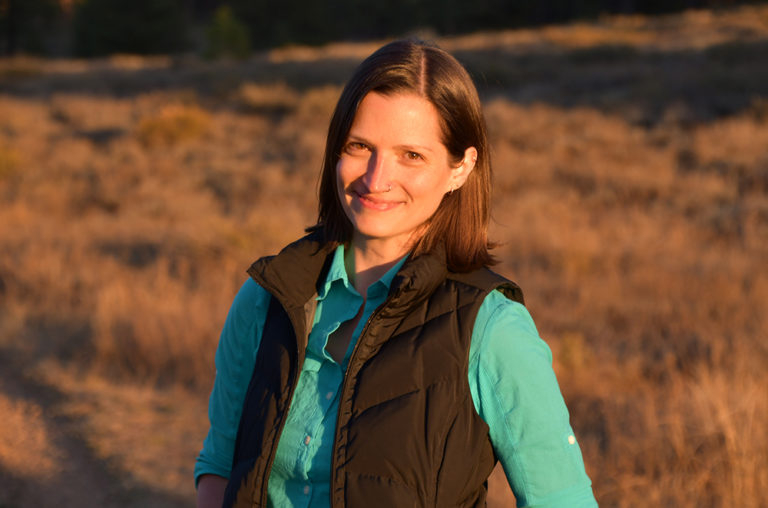
    Tanja Hester retired at age 38.

    She had a negative net worth until her late 20’s, thanks to a combination of student loans, buying expensive cocktails and clothes, living far beyond her means, and not paying attention to her money. If you were to have met the 27-year-old version of Tanja, you wouldn’t guess that she’d be a likely candidate for retiring early.

    Yet a decade later, she’s saved 40x of her annual cost of living.

    How? Tanja worked as a political consultant in Los Angeles, and during her career, ascended to important high-ranking roles. Every promotion came with more grueling hours, accompanied by a raise.

    Tanja maintained her same standard of living, banking every raise. This simple strategy allowed her to rapidly grow her net worth.

  • |

    #176: Digital Minimalism – with Dr. Cal Newport

    [smart_track_player url="https://traffic.libsyn.com/paulaandjaymoney/AA176.mp3" title="Digital Minimalism - with Dr. Cal Newport" artist="Paula Pant" social="true" social_twitter="true" social_facebook="true" social_gplus="true" social_linkedin="true" social_stumble="true" social_pinterest="true" social_email="true" ]

    Cal Newport created a philosophy called digital minimalism, which is the idea of reducing your digital life down to only the most important core essentials. Remove the apps from your phone, then slowly re-introduce only the ones that are the most useful and beneficial. Take control of your smartphone, rather than letting it control you.

    Digital minimalism is a philosophy of technology use. This philosophy pulls from the concepts of minimalism, essentialism, the slow movement, and the 80/20 principle, applying these ideas towards your digital life.

    Cal discusses the digital minimalist philosophy on today’s episode.

  • |

    #175: Three Percent is the New Four Percent – with Larry Swedroe, Retirement Planning Expert

    [smart_track_player url="https://traffic.libsyn.com/paulaandjaymoney/AA175.mp3" title="Three Percent is the New Four Percent - with Larry Swedroe, Retirement Planning Expert" artist="Paula Pant" social="true" social_twitter="true" social_facebook="true" social_gplus="true" social_linkedin="true" social_stumble="true" social_pinterest="true" social_email="true" ]

    Larry Swedroe is one of the most respected investment thinkers and writers of our time.

    He’s published 8 books on investing, including one of the first books to explain the science of investing to a layperson audience. He recently wrote an ultra-comprehensive guide to retirement planning.

    He joins us on the show today to discuss the nuances of investing and retirement planning.

  • |

    #174: Ask Paula – I’m 48 and Retiring Next Year. Should I Buy More Rentals?

    [smart_track_player url="https://traffic.libsyn.com/paulaandjaymoney/AA174.mp3" title="Ask Paula  - What Do You Think About For Sale By Owner?" artist="Paula Pant" social="true" social_twitter="true" social_facebook="true" social_gplus="true" social_linkedin="true" social_stumble="true" social_pinterest="true" social_email="true" ]

    Should a 48-year-old New Yorker who’s retiring next year buy more rental properties?

    Should a Michigan-based first-time homebuyer use an FHA loan to buy a duplex for $135,000 that rents for $1,800 per month?

    Should a 40-year-old music professor who owns a duplex transfer his property into an LLC?

    Should a New Jersey condo owner sell her unit as For Sale by Owner?

    And should a woman who’s anxious about owning her own rental properties dive into real estate crowdfunding deals instead?

    I answer these five rental property questions in today’s podcast episode.

  • |

    #173: When a Child of Financial Chaos Stumbles into Adulthood – with Paulette Perhach

    [smart_track_player url="https://traffic.libsyn.com/paulaandjaymoney/AA173.mp3" title="When a Child of Financial Chaos Stumbles into Adulthood - with Paulette Perhach" artist="Paula Pant" social="true" social_twitter="true" social_facebook="true" social_gplus="true" social_linkedin="true" social_stumble="true" social_pinterest="true" social_email="true" ]
    Paulette Perhach is a journalist who has been published in The New York Times, Slate, ELLE, Marie Claire, and Cosmo.

    She catapulted to fame as an accidental personal finance writer after she published an article called The Story of an F-Off Fund.

    This article tells the same narrative twice: in Scenario A, the protagonist in the story doesn’t have any emergency savings, and in Scenario B, she does. Paulette wrote this as a work of narrative fiction that vividly shows the power of an emergency fund, or as she rebrands it, an F-Off Fund.

    This story went viral. More than a million people read it, it was translated into multiple languages, and it landed her a book deal and a major profile in the Seattle Times.

  • |

    #172: Ask Paula – Should I Buy a Nice Car or Save My Money?

    [smart_track_player url="https://traffic.libsyn.com/paulaandjaymoney/AA172.mp3" title="Ask Paula - Should I Buy a Nice Car or Save My Money?" artist="Paula Pant" social="true" social_twitter="true" social_facebook="true" social_gplus="true" social_linkedin="true" social_stumble="true" social_pinterest="true" social_email="true" ]
    Should a 25-year-old homeowner with healthy savings and no debt (other than his mortgage) upgrade his car? Should he make this choice if his current car is fine, and upgrading puts him into new debt?

    Should a couple without access to an employer-sponsored retirement plan put their savings into a taxable account, or should they save for a downpayment on a rental property?

    The market is fluctuating like mad; if someone has a lump-sum of cash, should they invest it now or should they slowly meter it in?

    Should someone without an emergency fund enroll in an HSA-qualified health insurance plan? Or should they stick with a plan that has a smaller deductible?

    How should a husband-and-wife team that’s self-employed and running a company together handle their health insurance?

    Former financial planner Joe Saul-Sehy and I answer these five questions on today’s podcast. Enjoy!