Blog

  • |

    #265: Personality Isn’t Permanent, with Dr. Benjamin Hardy

    [smart_track_player url="https://traffic.libsyn.com/secure/paulaandjaymoney/AA265.mp3" title="Personality Isn't Permanent, with Dr. Benjamin Hardy" artist="Paula Pant" social="true" social_twitter="true" social_facebook="true" social_gplus="true" social_linkedin="true" social_stumble="true" social_pinterest="true" social_email="true" ]

    Who will you become in five years? 

    Will you be the same person you are today, living a similar lifestyle? 

    Or will you be a radically different person, with contrasting beliefs, goals, and preferences? 

    According to research, most of us believe that we’ll maintain the same beliefs, goals, preferences, and behavior as our past selves. We believe that we’ll continue to plod along the trajectory our past selves set, destined for the same end-goal. 

    That belief is flawed, and in some cases, downright wrong. 

    Our personality is constantly evolving. The person we are today is not the same person we’ll be in five years. 

                What? That’s silly. I’m me either way, aren’t I?

    Think about it this way: are you the same person you were five years ago? Ten years ago? Fifteen years ago?

    Of course not. Things in your life have changed: your interests, hobbies, decision-making process, and habits are different than they were a decade ago. 

    Past you ≠ present you. Present you ≠ future you.

  • PSA Thursday: How to Stay Safe as the Nation Re-Opens

    [smart_track_player url="https://traffic.libsyn.com/secure/paulaandjaymoney/AA264b_PSA_Thursday_July_9.mp3" title="PSA Thursday: How to Stay Safe as the Nation Re-Opens" artist="Paula Pant" social="true" social_twitter="true" social_facebook="true" social_gplus="true" social_linkedin="true" social_stumble="true" social_pinterest="true" social_email="true" ]

    Welcome back to PSA Thursday, a mostly-weekly segment in which we talk about how to handle money, work, and life in the middle of a pandemic.

    This week, we focus on life and how to stay safe when venturing outside of your home.

    Many of us are concerned with reducing the risk of coronavirus infection in places like a grocery store, gas station, or backyard BBQ, but the guidelines on how to stay safe aren’t always clear.

    In this episode, we discuss the precautions to take…

    • When using a public toilet
    • When picking up food at a quick-serve restaurant or fast food place
    • When you’re exercising at the gym
    • When filling your car with gas
    • In your general day-to-day life when you’re out and about
    [thrive_leads id='11077']
  • PSA Thursday – The Sordid History of the PPP — and 4 Extra Relief Opportunities for Small Biz Owners

    [smart_track_player url="https://traffic.libsyn.com/secure/paulaandjaymoney/AA263b_PSA_THURSDAY_July_2_Updated.mp3" title="PSA Thursday - The Sordid History of the PPP -- and 4 Extra Relief Opportunities for Small Biz Owners" artist="Paula Pant" social="true" social_twitter="true" social_facebook="true" social_gplus="true" social_linkedin="true" social_stumble="true" social_pinterest="true" social_email="true" ]

    Welcome back to PSA Thursday, a mostly-weekly segment in which we talk about how to handle money, work, and life in the middle of a pandemic.

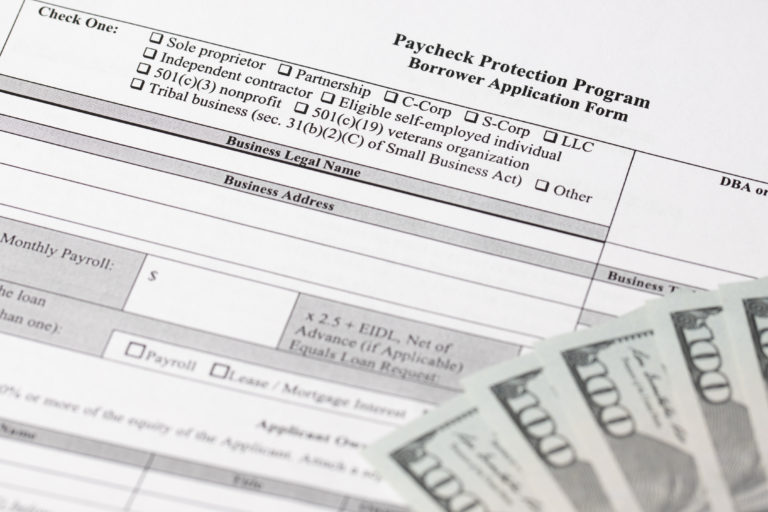
    This week, we’re covering the Paycheck Protection Program, or PPP, a popular program that awarded forgivable loans to small businesses and freelancers, has officially ended. The program closed on Tuesday, June 30, with an astounding $130 billion remaining in unclaimed funds.

    In today’s PSA Thursday episode, we cover the sordid history of the PPP — including it’s ill-fated first round of funding, in which $349 billion ran dry in just 13 days — and share tips for entrepreneurs and small business owners who are still looking for economic relief.

    Spoiler alert: the four options for economic aid for small businesses that we cover include the Economic Injury Disaster Loan program, or EIDL, which offers advance loans of up to $10,000 that don’t need to be repaid; the Employee Retention Tax Credit; the Small Business Association 7(a) loan, and the Federal Reserve’s Main Street Lending Program, which opened two weeks ago.

    Enjoy!

  • | |

    #263: How to Build Financial Resilience in 2020, with Dr. Brad Klontz, financial psychologist

    [smart_track_player url="https://traffic.libsyn.com/secure/paulaandjaymoney/AA263.mp3" title="How to Build Financial Resilience in 2020, with Dr. Brad Klontz, financial psychologist" artist="Paula Pant" social="true" social_twitter="true" social_facebook="true" social_gplus="true" social_linkedin="true" social_stumble="true" social_pinterest="true" social_email="true" ]

    Brad Klontz - Afford Anything PodcastDo you feel like you’ve spent the last few months on an emotional rollercoaster? Especially with your finances?

    Many of us have experienced one — if not all — of the following situations since March:

    • Volatility in the stock market rattling our retirement portfolios
    • Inconsistent and sometimes delayed unemployment benefits
    • Uncertainty around employment, including reduced hours, reduced pay, furloughs, and safety issues
    • Fears about our own health and safety
    • Fears about the health and safety of loved ones

    It’s been a tough year, and we’re only halfway through it.

    Today’s guest has insights and actions to help you build financial resilience in 2020. Not only will you emerge from the events of this year stronger, you’ll also face future personal challenges and economic downturns with more confidence and knowledge.

  • |

    #262: Ask Paula – I’m Taking a Mini-Retirement in a Pandemic. What Should I Do?

    [smart_track_player url="https://traffic.libsyn.com/secure/paulaandjaymoney/AA262.mp3" title="Ask Paula - I'm Taking a Mini-Retirement in a Pandemic. What Should I Do?" artist="Paula Pant" social="true" social_twitter="true" social_facebook="true" social_gplus="true" social_linkedin="true" social_stumble="true" social_pinterest="true" social_email="true" ]

    Tyson is taking a year off of work and plans to devote some of his time to domestic travel, volunteer work, and bolstering his rental property portfolio. He originally planned to travel internationally, but won’t due to the pandemic. How does this plan sound?

    Jace is wondering whether she should take advantage of the low stock market prices or keep a larger emergency fund due to the pandemic. Which is the better option, given her goal of financial independence?

    Jace also wants to know: where do you park your money after maxing out a 401k and Roth IRA?

    Venkat had to relocate after living in a condo for one year. He rents out the condo, but he’s in the red. Should he sell this condo? If so, when? 

    TW has $250,000 in cash that he can use to either pay off his rental property or purchase two more properties. Which is the better option? 

    I answer these questions in today’s episode. Enjoy!

  • PSA Thursday – Your Complete Guide to Donor Advised Funds

    [smart_track_player url="https://traffic.libsyn.com/secure/paulaandjaymoney/AA260b_PSA_Thursday_Travis_Hornsby.mp3" title="PSA Thursday - Your Complete Guide to Donor Advised Funds" artist="Paula Pant" social="true" social_twitter="true" social_facebook="true" social_gplus="true" social_linkedin="true" social_stumble="true" social_pinterest="true" social_email="true" ]

    Welcome back to PSA Thursday, a mostly-weekly segment in which we talk about how to handle money, work, and life in the middle of a pandemic.

    In this episode, we cover what donor-advised funds are, how they work, how to open one, and the benefits of including a donor-advised fund in your financial plan or giving strategy.

  • | |

    #261: Why I Quit My Job in the Middle of a Recession — Interview from Lessons from a Quitter

    [smart_track_player url="https://traffic.libsyn.com/paulaandjaymoney/AA261.mp3" title="Why I Quit My Job in the Middle of a Recession -- Interview from Lessons from a Quitter" artist="Paula Pant" social="true" social_twitter="true" social_facebook="true" social_gplus="true" social_linkedin="true" social_stumble="true" social_pinterest="true" social_email="true" ]

    We’re in an economic collapse.

    We have the highest unemployment since the Great Depression.

    There are many more people who want jobs than there are jobs available.

    Yet, you want to quit your job.

    Maybe you planned to change careers this year, maybe you wanted to take a sabbatical, or maybe you wanted to retire early.

    Regardless of your plans, you might feel as though this recession ripped them to shreds and blew them out the window.

    But…what if you could still make your plans work?

    What?! Quitting your job at the beginning of a recession is INSANE, isn’t it?

    Maybe. Maybe not.

    You’re kidding. Right? …Right?? Isn’t that equivalent to career suicide?

    Nope. It worked for me.

    Since we’re in the middle of another recession and many of you want to voluntarily leave your job at some point in the future, I’m re-airing an interview I did on Lessons From a Quitter two years ago. The host, Goli, interviewed me about quitting my job at the beginning of a recession.

  • PSA Thursday – How Does the CARES Act Impact Student Loans?

    [smart_track_player url="https://traffic.libsyn.com/secure/paulaandjaymoney/PSA_Thursday_Travis_Hornsby.mp3" title="PSA Thursday - How Does the CARES Act Impact Student Loans?" artist="Paula Pant" social="true" social_twitter="true" social_facebook="true" social_gplus="true" social_linkedin="true" social_stumble="true" social_pinterest="true" social_email="true" ]

    Welcome back to PSA Thursday, a mostly-weekly segment in which we talk about how to handle money, work, and life in the middle of a pandemic.

    In this episode, we cover how to manage student loans in the midst of the pandemic with Travis Hornsby, a Chartered Financial Analyst and the founder and CEO of Student Loan Planner. He is an expert in the complex topic of student loans. If there’s anyone who can deep dive 

    We cover: 

    • The CARES Act, and its impact on student loans
    • Options for those with private student loans
    • Why you might want to stop paying extra towards your student loans
    • The changes in government policy around student loans as a result of the pandemic that you need to know
    • The best strategy for managing your student loans in 2020
    • How to view financial independence when you have an overwhelming amount of student loans
  • |

    #260: Ask Paula – Should I Fire My Financial Advisor During a Pandemic?

    [smart_track_player url="https://traffic.libsyn.com/paulaandjaymoney/AA260.mp3" title="Ask Paula - Should I Fire My Financial Advisor During a Pandemic?" artist="Paula Pant" social="true" social_twitter="true" social_facebook="true" social_gplus="true" social_linkedin="true" social_stumble="true" social_pinterest="true" social_email="true" ]

    Katelyn wants to fire her financial advisor and move her investments from mutual funds into Vanguard index funds. Should she do this during the pandemic? Or should she wait?

    Marisa asks: can you invest in a Roth IRA if your income is inconsistent and might exceed the cap?

    Anonymous “Flo” had a Simple IRA at her old job that she can no longer contribute to. She also can’t contribute to a 401k until she’s been at her new job for a year. Where should she put her money in the meantime?

    Mary received an $80,000 grant of RSUs from her employer when she started. These RSUs began to vest after one year, and the price per share has increased 44 percent. What should she do with the shares?

    Anonymous “Olivia” is interested in a Roth conversion ladder, but wants to know: does the pro-rata rule apply here as it does with a backdoor Roth conversion?

    My friend and former financial planner Joe Saul-Sehy and I tackle these questions in today’s episode. Enjoy!