Author: Erin @ Team Afford Anything

  • | |

    #251: From High School Dropout to Successful Entrepreneur, Author and World Traveler — with Chris Guillebeau

    [smart_track_player url="https://traffic.libsyn.com/paulaandjaymoney/AA251.mp3" title="From High School Dropout to Successful Entrepreneur, Author and World Traveler -- with Chris Guillebeau" artist="Paula Pant" social="true" social_twitter="true" social_facebook="true" social_gplus="true" social_linkedin="true" social_stumble="true" social_pinterest="true" social_email="true" ]

    Do you love the idea of making money on your own — without a boss?

    Can you imagine deciding how you spend each day?

    Are you bored and looking for a challenge? Do you love the thought of adventure?

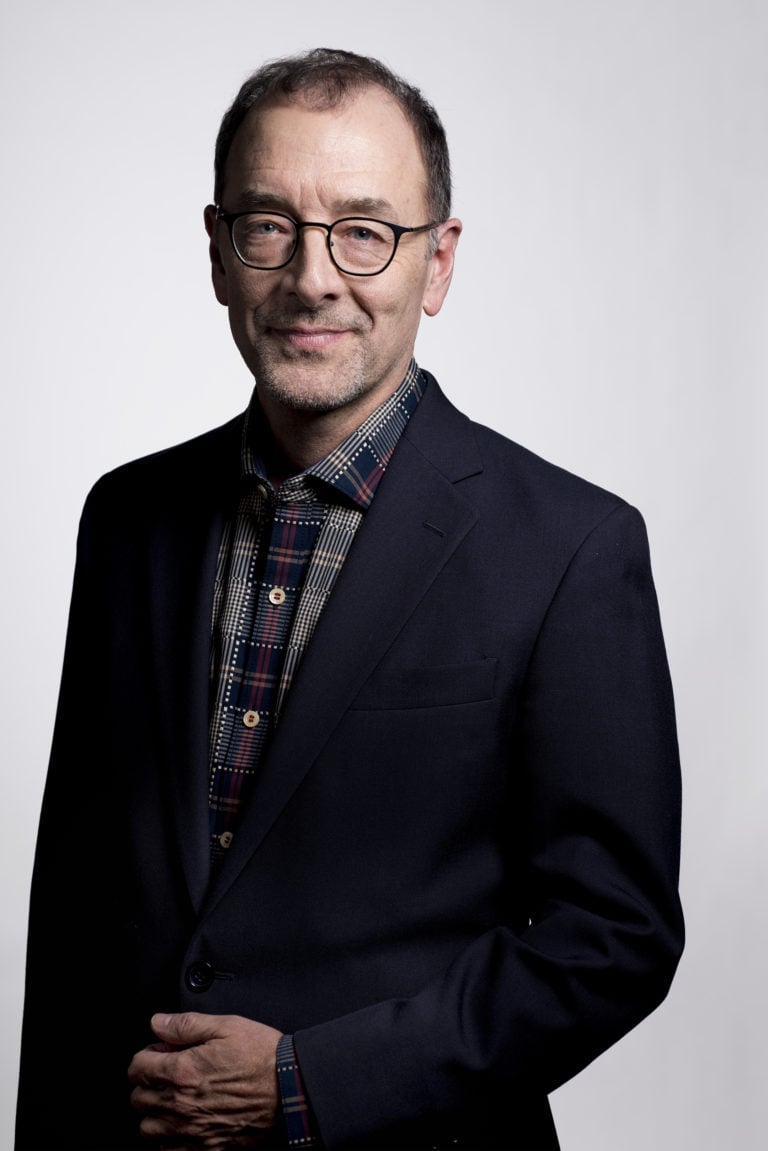
    Today’s guest, Chris Guillebeau, knows all about hustling, living an unconventional life, working towards seemingly impossible goals, and combining his interests into an epic lifestyle business that brings him freedom and joy.

  • |

    PSA Thursday: How to Build an Emergency Fund During an Emergency

    [smart_track_player url="https://traffic.libsyn.com/paulaandjaymoney/PSA_Thursday_April_9_2020.mp3" title="PSA Thursday: How to Build an Emergency Fund During an Emergency" artist="Paula Pant" social="true" social_twitter="true" social_facebook="true" social_gplus="true" social_linkedin="true" social_stumble="true" social_pinterest="true" social_email="true" ]

    Welcome back to PSA Thursday, a weekly segment in which we talk about how to handle money, work, and life in the middle of a pandemic.

    Today, we cover two topics:

    1. Building an emergency fund during an emergency
    2. How the bear market affects the way that you handle your investments

  • |

    #250: Ethical Investing 101, with Dr. Jon Hale, Head of Sustainability Research for Morningstar

    [smart_track_player url="https://traffic.libsyn.com/paulaandjaymoney/AA250.mp3" title="Ethical Investing 101, with Dr. Jon Hale, Head of Sustainability Research for Morningstar" artist="Paula Pant" social="true" social_twitter="true" social_facebook="true" social_gplus="true" social_linkedin="true" social_stumble="true" social_pinterest="true" social_email="true" ]

    Should we invest in sustainable funds?

    If we choose sustainable funds, will our investment returns suffer? Will our expense ratios be sky-high? What drawbacks might we face?

    How do we know that these funds are actually ethical? And what choices are out there for people who want to invest ethically or sustainably?

    We invited Dr. Jon Hale to our show today to answer these questions.

    Dr. Jon Hale is a chartered financial analyst and the global head of sustainability research for Morningstar. He directs Morningstar’s research on sustainable investing, which launched with the Morningstar Sustainability Rating for Funds in 2016.

    We were inspired to conduct this interview on sustainability after we heard a question from one of our community members, Lily. She left a voicemail asking:

    “Why don’t we hear anything about ethical investing in the Financial Independence Retire Early (FIRE) movement? I’ve had trouble locating socially responsible funds in the past, and I wonder if these funds are labeled well or if they’re essentially a scam. Is there a third-party reviewer of these funds?”

  • PSA Thursday: I Tested Positive for Coronavirus. Here’s What It Feels Like.

    [smart_track_player url="https://traffic.libsyn.com/paulaandjaymoney/248B_PSA_Thursday_April_2.mp3" title="PSA Thursday: I Tested Positive for Coronavirus. Here's What It Feels Like." artist="Paula Pant" social="true" social_twitter="true" social_facebook="true" social_gplus="true" social_linkedin="true" social_stumble="true" social_pinterest="true" social_email="true" ]

    Paula describes the experience of having Covid-19, the illness caused by coronavirus.

  • |

    #246: Pain, Grief, and the Pursuit of Financial Independence, with Jillian Johnsrud

    [smart_track_player url="https://traffic.libsyn.com/paulaandjaymoney/AA246.mp3" title="Pain, Grief, and the Pursuit of Financial Independence, with Jillian Johnsrud" artist="Paula Pant" social="true" social_twitter="true" social_facebook="true" social_gplus="true" social_linkedin="true" social_stumble="true" social_pinterest="true" social_email="true" ]

    Jillian Johnsrud grew up at the poverty line. Her mother had two children by age 19, and Jillian was raised in a town of 700 people, living in a home that struggled to afford the basics.

    She married her husband when she herself was 19 years old. During their first year of marriage, they lived in a camper and earned a combined income of $12,000.

    Her husband joined the military after graduating from college. They relocated to Washington D.C., where they earned a combined $60,000 per year. They saved half of their income and used their savings to wipe out $55,000 of debt.

    At 22 years old, Jillian and her husband adopted a son. Two years later, at age 24, the couple had accumulated their first $100,000. The following year, they gave birth to a second child.
    Jillian and her husband continued saving half of their income. Eventually, they bought a house in cash, invested in two rental properties, and built a portfolio of index funds.

    By age 32, Jillian and her husband achieved financial independence. And they built this on a modest five-figure income.

    How did Jillian and her husband live on $12,000 per year? How did they save their first $100,000 by age 24? What sacrifices did they make? And how did reaching financial independence change their relationship with money? Find out in this raw, emotional interview.

  • |

    #244: Why I Quit My Job with No Savings When My Wife Was Five Months Pregnant, with Grant Baldwin

    [smart_track_player url="https://traffic.libsyn.com/paulaandjaymoney/AA244.mp3" title="Why I Quit My Job with No Savings When My Wife Was Five Months Pregnant (and What Happened Next?!), with Grant Baldwin" artist="Paula Pant" social="true" social_twitter="true" social_facebook="true" social_gplus="true" social_linkedin="true" social_stumble="true" social_pinterest="true" social_email="true" ]

    Grant Baldwin felt burned out.

    He worked as a youth pastor, which felt like a 24/7 profession. He had to attend student events held late into the night, which left him exhausted.

    One night, he came home to find his wife crying. She told him that she felt like she had a roommate, rather than a husband, because he was gone so often.

    So Grant did something drastic: he quit his job, with negligible savings, when his wife was four to five months pregnant.

    (Editor’s Note: WAT?! Who does that?!)

    For the following year, he waited tables and worked odd jobs, cobbling together gig-economy money while raising a newborn. During his rare unscheduled moments, he started crafting a new career for himself as a self-employed public speaker.

    Today, Grant Baldwin is a speaker, entrepreneur, coach, and author of The Successful Speaker. He’s earned multiple seven-figures in speaking fees and has helped over 2,000 people become professional speakers.

    He shares how he made his dream a reality in this episode.

  • |

    #242: The Art of Trusting Your Most Dangerous Ideas, with Ash Ambirge, The Middle Finger Project

    [smart_track_player url="https://traffic.libsyn.com/paulaandjaymoney/AA242.mp3" title="The Art of Trusting Your Most Dangerous Ideas, with Ash Ambirge, The Middle Finger Project" artist="Paula Pant" social="true" social_twitter="true" social_facebook="true" social_gplus="true" social_linkedin="true" social_stumble="true" social_pinterest="true" social_email="true" ]

    Ash Ambirge grew up in a trailer park in rural Pennsylvania.

    She never met her biological father. Her father-figure mentor passed away when she was 14. Her disabled mother, who raised her on government assistance, passed away when she was 20.

    Her childhood goal was to join the middle class. She dreamed of becoming one of those people who eats poppyseed bagels and lemon pepper chicken. After all, what’s more middle class than that?

    Ash’s future changed the moment she received a need-based, full ride scholarship to college. After she graduated, she snagged a marketing assistant job and negotiated a $30,000 salary.

    Ash had finally made it; she joined the middle class. To celebrate, she bought a brand-new car, financed a $5,000 mattress, and rented a luxurious apartment. Yet she felt that something was lacking (and it wasn’t the lemon pepper chicken).

    Unfulfilled, Ash set out to answer two burning questions:

    “What does it mean to live a good life?”
    “What does it look like to do work that I’m proud of?”

    Throughout her childhood, the answers to these questions had been elusive. Her mother hadn’t worked, and Ash had no idea what a “good life” involved. She had no role models.

  • |

    #240: 10 Questions to Master Successful Investing, with David Stein

    [smart_track_player url="https://traffic.libsyn.com/paulaandjaymoney/AA240.mp3" title="10 Questions to Master Successful Investing, with David Stein" artist="Paula Pant" social="true" social_twitter="true" social_facebook="true" social_gplus="true" social_linkedin="true" social_stumble="true" social_pinterest="true" social_email="true" ]

    Do you know what it takes to be a successful investor?

    Can you name the three drivers of asset class performance?

    Are you aware of the upsides and downsides of each investment that you hold?

    Not having the answers to these questions could leave your portfolio exposed to major risk.

    That’s why David Stein, today’s guest, wrote an appropriately titled book: Money For the Rest of Us. His book outlines 10 thought-provoking questions to ask before making any investment decision.

    David, a two-time guest on the show, was the Chief Investment Strategist and Chief Portfolio Strategist at Fund Evaluation Group, a $70 billion investment firm. While there, he co-founded the firm’s $2.2 billion asset management division and developed its investment philosophy and process as the lead portfolio manager.

    In this interview, David discusses the 10 questions outlined in his book:

    What is it?
    Is it investing, speculating, or gambling?
    What’s the upside?
    What’s the downside?
    Who’s on the other side of the trade?
    What’s the investment vehicle?
    What does it take to be successful?
    Who’s getting a cut?
    How does this investment impact your portfolio?
    Should you invest?

    Whether you’re new to investing or consider yourself an advanced investor, David has an asset allocation approach that can save you from the expensive mistakes investors often make.

    Here’s how to think through each of these 10 questions and improve your investment decision-making process.

  • |

    #238: How to Stop Making So Many Money Mistakes, with Jeff Kreisler

    [smart_track_player url="https://traffic.libsyn.com/paulaandjaymoney/AA238.mp3" title="How to Stop Making So Many Money Mistakes, with Jeff Kreisler" artist="Paula Pant" social="true" social_twitter="true" social_facebook="true" social_gplus="true" social_linkedin="true" social_stumble="true" social_pinterest="true" social_email="true" ]

    Have any of these thoughts ever crossed your mind?

    If I had more willpower, I’d achieve my financial goals.

    I’m doomed to fail with money.

    Budgets suck. They only show me what I did wrong and make me feel horrible.

    If so, you’re not alone.

    It’s not that you lack willpower.

    It’s not that you’re doomed to fail with money.

    It’s not that you’re a horrible person for blowing your budget.

    It’s that you’re human.

    And humans make emotional decisions all the time. Decisions that often defy logic.

    But making emotional decisions doesn’t have to be a financial death sentence. Money management is a skill, which means we can improve.

    When we understand the “why” behind our decisions, coupled with the marketing tactics that retailers use, we can guard ourselves against cognitive biases and sales strategies.

    That’s what today’s guest is here to discuss.

  • |

    #236: How We Saved $1 Million and Retired at 31 and 32, with Kristy Shen and Bryce Leung

    [smart_track_player url="https://traffic.libsyn.com/paulaandjaymoney/AA236.mp3" title="How We Saved $1 Million and Retired at 31 and 32, with Kristy Shen and Bryce Leung" artist="Paula Pant" social="true" social_twitter="true" social_facebook="true" social_gplus="true" social_linkedin="true" social_stumble="true" social_pinterest="true" social_email="true" ]

    Can you imagine living on 44 cents a day?

    Kristy Shen doesn’t need to imagine it. She lived it.

    Kristy grew up in rural China, where 85 percent of the population lived in abject poverty.

    When she was eight, her family emigrated to Canada. In Kristy’s eyes, her family’s newfound ability to buy a can of Coca-Cola meant that they had “made it.” Kristy loved her Coke can so much that she turned it into a toothbrush holder.

    Years later, Kristy met Bryce Leung at university, where they were classroom lab partners. They married, settled in Toronto and started saving for a downpayment on a house.

    When their down payment savings hit $500,000, they started to question the wisdom of dumping their money into an expensive personal residence.

    Fueled by curiosity, they stumbled down the financial independence rabbit hole. After countless hours of research and number-crunching, they ditched their plan to buy a house and invested their $500,000 into the stock and bond market. Around seven years later, their net worth reached $1 million.