Four years of “Is this a bubble?” got us … one bad day??
Three takeaways from last week’s market downturn.
Well, it’s happened.
The most-anticipated market decline in our lifetimes unfolded last week.
Note the keywords: most-anticipated. It wasn’t awful. (On Thursday, the NASDAQ had its worst day since March 2020.) And it somewhat recovered on Monday.
But it may have been the most-predicted, most-anticipated market pullback in the last half decade.
It came after four years of people consistently asking, “Is this a bubble?” — a question that’s been repeated ad nauseam since the release of ChatGPT in 2022.
(By the way, do you know what’s not a characteristic of bubbles? People constantly asking if this is a bubble.)
And that’s a bit odd.
We’re living in Year 17 of an ongoing bull run. The market has been on a bull tear since 2009, with the exception of brief moments in 2020 and 2022, and yet everyone keeps waiting for the shoe to drop.
(Does anyone remember back in 2018 when everyone was like, “Hey! It’s been 10 years since the Great Recession. Aren’t we due for another one? Don’t recessions happen in 10-year cycles? Gulp!” … and here we are now, powering through Year 17, charts up and to the right … yet nervous as ever about the next crash.)
We’re simultaneously getting 401k richer and more pessimistic.
So what unfolded last week? Why did it bounce back on Monday? And what can we expect from our investments in the months ahead?
Last Week, by the Numbers
The trouble started right before Halloween.
On October 29, Alphabet, the parent company of Google, had its single worst day on record — shares fell more than 13%. The next day, Intel fell 29%, its worst day since the 1970s.
The pressure started building.
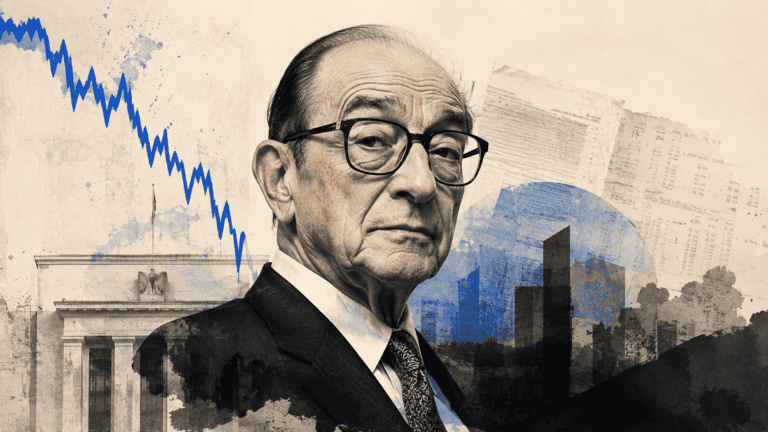
Last Thursday was when everything hit. The Nasdaq 100 dropped 6.4% and erased $2.3 trillion in value. That’s the biggest one-day drop in value in history.
The S&P 500 dropped 4.4%, which was the biggest drop since Liberation Day in April 2025, when the tariffs were announced.
Overall, the NASDAQ went more than 10% below its record in October, which puts it in correction territory.
All 11 sectors of the S&P 500 fell, with tech taking it the worst.
Then came Monday.
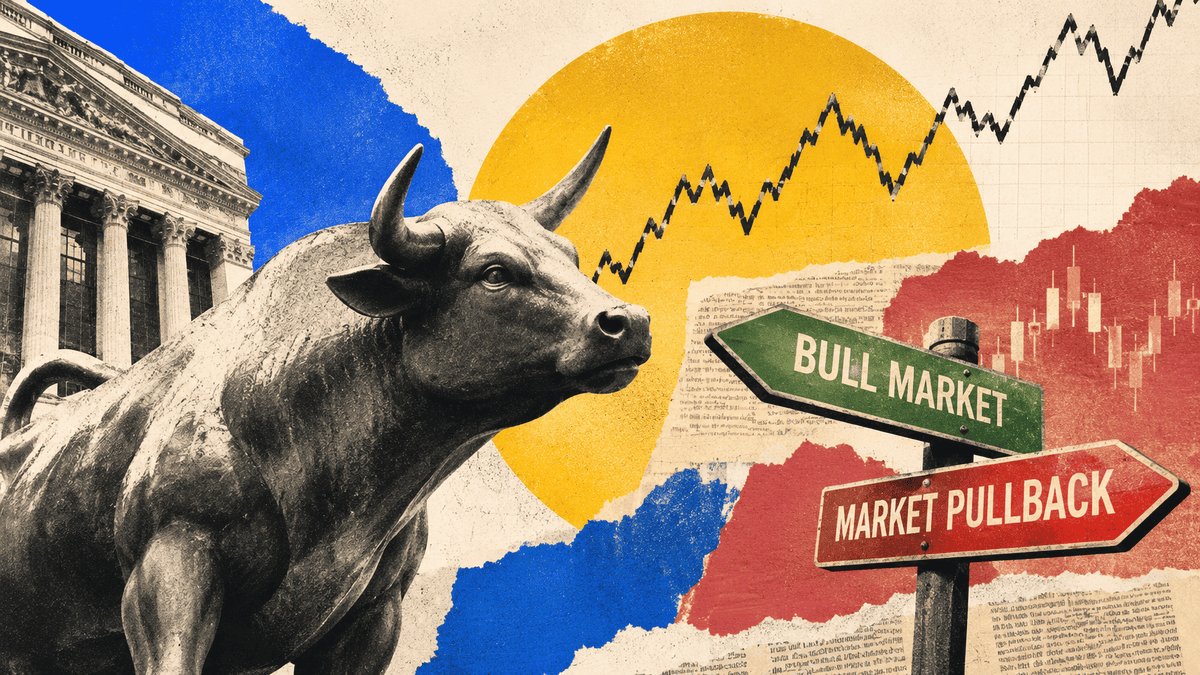
Everyone decided to buy the dip. The S&P 500 had its best day since April. All 11 sectors climbed, which made it the most widespread rally in almost a year.
What Story Does the Market Tell?
Let’s think about the story that the market is telling us.
Last week, the market was telling us a story of fear and pessimism.
Yesterday, it’s a story of buying the dip and chasing opportunity — which, at its core, is a story of hope and optimism.
As of the time I’m writing this (2 PM Eastern on Tuesday), the markets are “meh” down today. Nothing to write home about.
But what we see between last week and yesterday is that emotions in the market can change rapidly.
Some people think the losses will stay contained, and some people think they’ll continue.
Some people are bullish on U.S. equities because of AI opportunity, while others, like Citibank, downgraded U.S. equities because of AI exposure.
So there’s no agreement here — but there are a few takeaways.
Three Takeaways for Investors
1. Let the Market Have Its Feelings
The market has BIG feelings. It has wild mood swings. But its tantrums right now are brief, and then it calms down.
Thursday, the market was terrified. Monday, the market was hopeful.
And as of 2 PM Eastern today, the market seems a little jittery, like it’s had too much coffee. It saw the October inflation data, and now the market’s a little anxious.
If you let the market’s moods become your own, you’ll be emotionally exhausted.
So don’t absorb its moods. Let your own plan stay steady, grounded, calm, while the market has its mood swings.
2. Hope Is a Skill
We started by talking about how people are 401k-richer and yet more pessimistic. It’s natural to always scan for threats.
But it’s the people who practice hope — in the same way you put in reps at the gym — who are the ones who stay steady over time.
In fact, the practice of hope is how you stay grounded and calm, so Point Number Two is the “how to” for Point Number One.
3. Don’t Act on Your Impulses
It was natural to be nervous after Thursday’s big drop.
It’s been so long since we’ve had a good proper 2008-style recession that many people assume that we’re due for one, as though it’s supposed to happen like some type of clockwork.
But bull markets don’t die of old age, and recessions don’t happen on cue.
It’s natural to be scared when the market drops 4.4% in a single day.
But the ones who refuse to act on that fear are the ones who enjoy the recovery.
Try this: Keep dollar cost averaging into the market — and boost your contribution amount by 1%.