
Negotiation for Nice People
Ask for more — without becoming pushy, aggressive, or someone you’re not.
Learn how to negotiate your salary, job offers, freelance rates, benefits, difficult conversations and everyday expenses using a practical system designed to help you know what you want, what you’ll accept, and what to say when the first answer is “no.”
You don’t need to become tougher. You need a better strategy.
Being nice isn't the problem. 💛
Confusing “nice” with “never making another person uncomfortable” is.
You can be kind and still ask for more. You can appreciate an offer and still counter it. You can care about your employer's constraints without volunteering to absorb the financial consequences yourself. You can hear them say "the salary is firm," and respond "Okay. What other parts of the package have flexibility?"
That isn’t rude. That’s negotiation.
This isn't just a confidence problem.
“Be more confident” doesn’t tell you:
Confidence is useful. Strategy is better.
Because when you understand your alternatives, numbers, priorities and the other person's incentives, you don't have to fake nearly as much confidence. You know what you're doing.
The first "no" is just information.
Nice people tend to treat "no" as a stop sign. Good negotiators treat it as data. So they ask:
Great negotiation isn't simply fighting over a fixed pie. Sometimes you can make the pie bigger.
So how do you become a better negotiator without becoming a jerk?
Introducing...
Negotiation for Nice People
NEGOTIATING FOR NICE PEOPLE
Negotiating for Nice People (NNP) is my self-paced negotiation program designed to teach you the strategy behind asking for what you want — while staying collaborative, thoughtful and, yes, nice.
You'll learn how to:
This is not a motivational course about "knowing your worth." And it's not a collection of magical one-liners. It's a course about how negotiation works — so when the conversation matters, you have something more useful than adrenaline and a pep talk.
Imaging knowing exactly what to say next...
What They Say | Old You | New You (After NNP) |
|---|---|---|
"We just don't have the budget." | "Totally understand! No worries at all." | "Okay. What would need to happen for us to revisit compensation?" |
"We're offering you $80,000." | "Wow, that sounds great — thank you so much!" | "I'm excited about the role. Based on my research and experience, I was expecting something closer to $95,000." (Then you stop talking.) |
"The salary is non-negotiable." | "Oh, of course — that makes sense." | "Understood. What about the signing bonus, PTO or remote-work arrangement?" |
"Maybe next year." | "Okay, no problem, thank you!" | "What specific milestones would need to happen for us to revisit this?" |
What They Say | Old You | New You (After NNP) |
|---|---|---|
"We just don't have the budget." | "Totally understand! No worries at all." | "Okay. What would need to happen for us to revisit compensation?" |
What They Say | Old You | New You (After NNP) |
|---|---|---|
"We're offering you $80,000." | "Wow, that sounds great — thank you so much!" | "I'm excited about the role. Based on my research and experience, I was expecting something closer to $95,000." (Then you stop talking.) |
What They Say | Old You | New You (After NNP) |
|---|---|---|
"The salary is non-negotiable." | "Oh, of course — that makes sense." | "Understood. What about the signing bonus, PTO or remote-work arrangement?" |
What They Say | Old You | New You (After NNP) |
|---|---|---|
"Maybe next year." | "Okay, no problem, thank you!" | "What specific milestones would need to happen for us to revisit this?" |
Money isn't always the most valuable thing on the table.
Suppose one job pays $85,000. Another pays $75,000. Obviously the $85,000 job is better. Right?
Maybe. What if the lower-paying job includes much better health insurance, retirement matching, more paid vacation, remote flexibility or better parental leave? Suddenly we need more information.
Inside Negotiating for Nice People, you'll learn to compare the FULL package instead of anchoring yourself to one shiny salary number — because an employer may have little flexibility on one variable, and plenty somewhere else. That gives you more to negotiate.
And if you work for yourself? What if there's no HR to negotiate with?
See it in action. Learn it on your schedule.🗓️
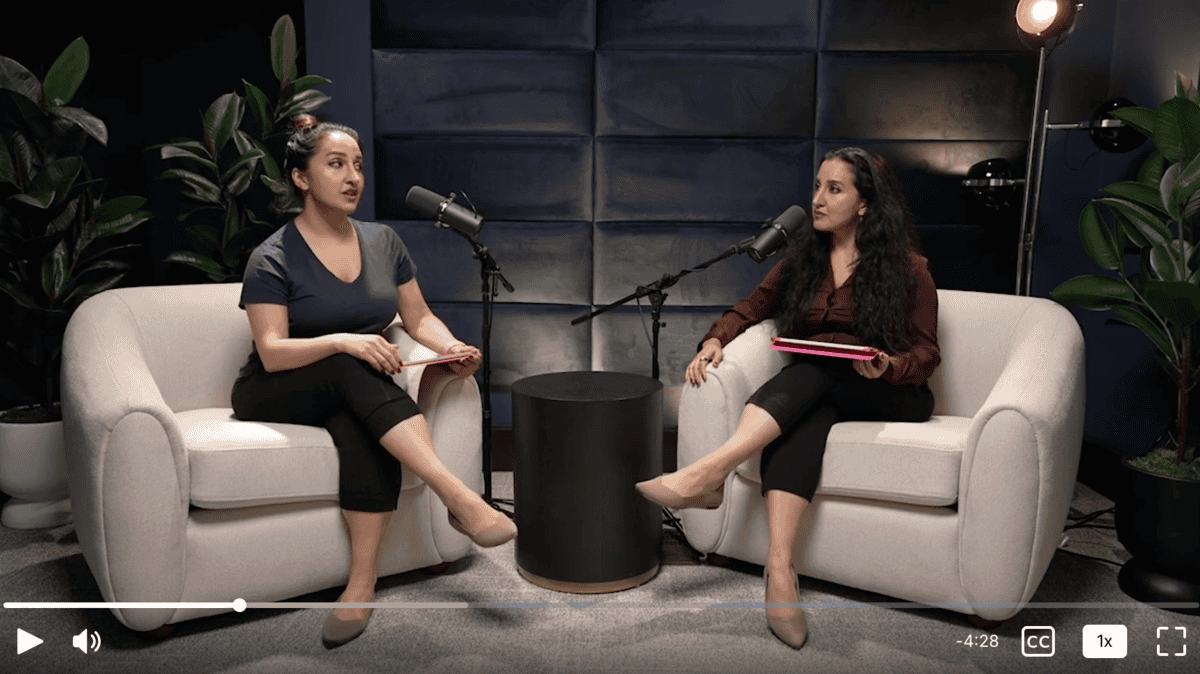
You'll see negotiations play out, too.
This isn't seven modules of me staring into a camera defining vocabulary. Throughout the course, you'll see on-camera negotiation demonstrations showing the preparation, opening, anchors, concessions, information gathering, mistakes and moments when the plan goes sideways. Then we break down what worked, what didn't, and what might have produced a different outcome.
A concept like "anchoring" becomes much easier to remember when you can see how it shapes an actual conversation.
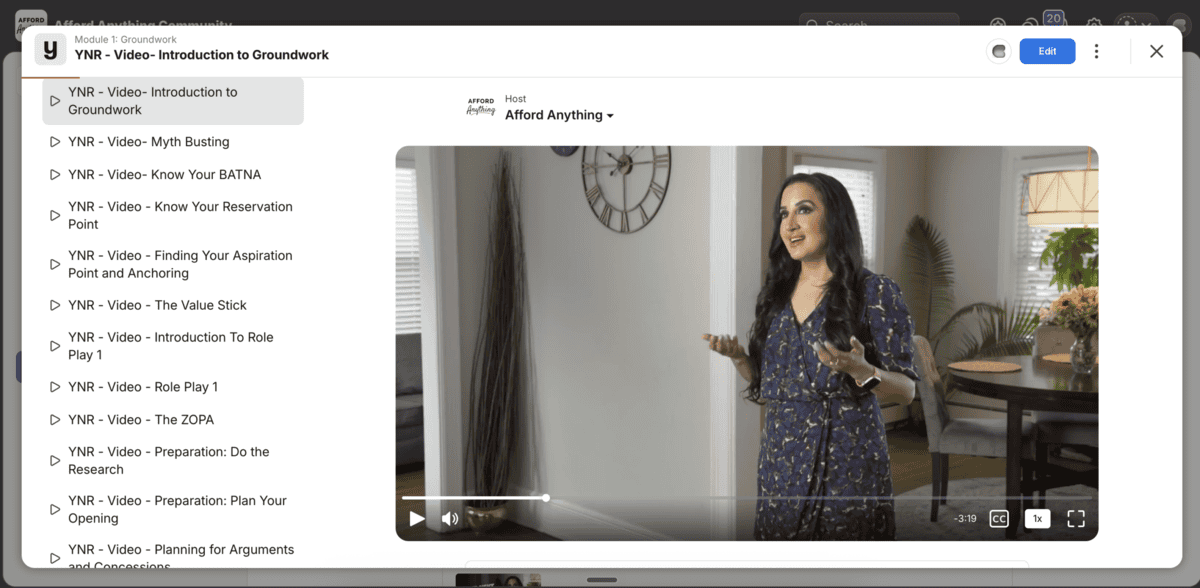
And yes, the course is self-paced.
No weekly Zoom schedule. No need to rearrange your Tuesday night. No falling "behind" because life got busy. Move through the material at your own pace, and return to the lessons when you actually need them:
Got a job offer? Go back to salary and benefits. Preparing for a difficult conversation? Return to conflict resolution. Negotiating with five stakeholders? Hello, Module 5.
You need the right lesson when the right situation appears.
This course was built to teach negotiation — not hype it.
As a small-business owner, I negotiate constantly. And before I learned these frameworks, I made plenty of mistakes: I let someone else's anchor knock me off balance, made concessions that were too large, let emotion override research, and threw out numbers without understanding the range of possibilities.
When I built Your Next Raise, I also worked alongside a friend with an Ivy League MBA who has studied negotiation at the graduate level and written negotiation cases taught in Ivy League business schools. The goal was to combine formal negotiation frameworks with the messy reality of actual life — because theory matters, but if you can't translate it into "What do I say when HR tells me the salary is fixed?", it isn't particularly useful.
How to tell if this course is for you 🫵
If several of those sound familiar... hi. You're exactly who I had in mind when we started talking about Negotiating for Nice People.

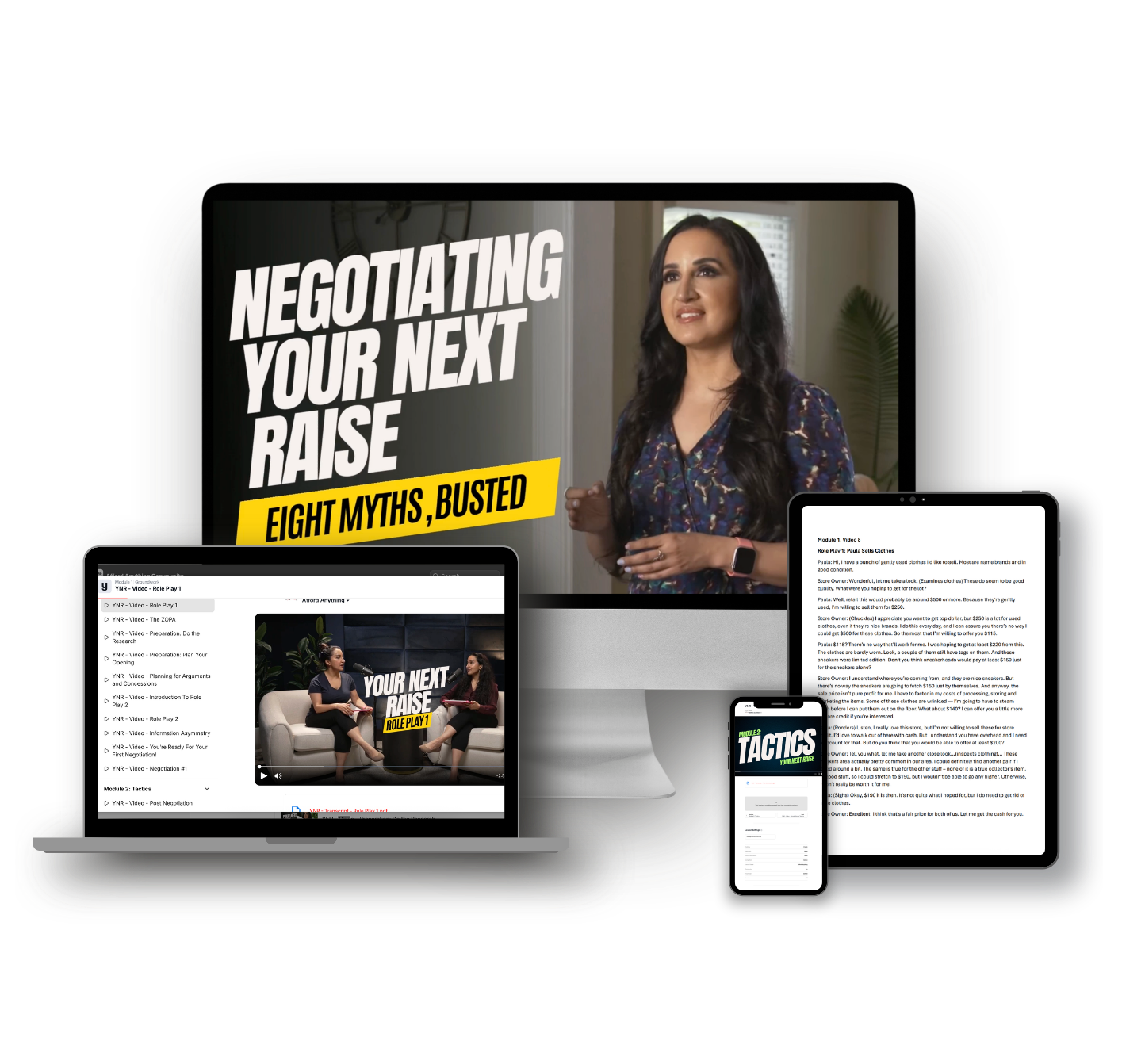
Here's what you'll get when you enroll
Your Investment
Get lifetime access today for $297 $97
A few questions you may be wondering 🤔
Absolutely. Negotiation is not a charisma contest. Listening, gathering information, thinking before responding and being comfortable with silence can all be useful. This course teaches strategy — it does not give you a personality transplant.
Not necessarily. One of the worst times to learn negotiation is ten minutes before you need it. A recruiter may call. Your annual review may get scheduled. A client may ask for your rate. Learning this beforehand lets you understand the concepts without a high-stakes decision sitting in your inbox.
No. Our original name, Your Next Raise, reflects one high-value application of negotiation. But the course covers job offers, benefits, freelance pricing, contracts, difficult conversations, multiparty situations, bills, purchases, real estate and other everyday negotiations.
Then you've learned something useful. Maybe another part of the package can move. Maybe you establish milestones for revisiting compensation. Maybe the offer is still worthwhile. Maybe your BATNA is better. Sometimes a successful negotiation gives you better information rather than more money.
No responsible person can promise how every employer will react. Context matters. How you negotiate matters. What you ask for matters. The goal is not to teach you to be reckless — quite the opposite.
Nope. You learn them partly so you can recognize them when they're being used against you. The course also spends significant time on collaborative approaches, value creation, trust and preserving relationships.
Then the formal frameworks may be especially useful. BATNA, Reservation Point, Aspiration Point, ZOPA, anchoring, issue trades, rights/power/interests and coalition-building give you a deliberate way to understand what you may already be doing intuitively.
You don't. It's self-paced.
You’ll have lifetime access to Negotiating for Nice People, so you can return to the course whenever you need a refresher.
You’re covered by a 14-day money-back guarantee, no questions asked. If the course isn’t right for you, just let us know within 14 days of purchase for a full refund.
You’ll complete checkout and receive instructions for accessing Negotiating for Nice People. Then you can begin at your own pace.
One more thing...

There's a natural temptation to think: I'll learn this when I actually need it.
But imagine receiving a job offer Wednesday afternoon. They want an answer Friday.
Now you're trying to figure out the salary, benefits, counteroffer, walk-away point and what to say if they push back — while the clock is running. That is a LOT of thinking.
I'd rather you know how to answer those questions beforehand. The best time to build a negotiation strategy is before you desperately need one. Enroll now ->
You can stay nice. 😊
Keep being thoughtful. Keep caring about relationships. Keep being collaborative. Those are strengths.
But you can stop equating kindness with concession. You can stop filling every uncomfortable silence. You can stop treating the first "no" as the end of the conversation. You can understand the other person's needs... without forgetting your own.
That's what Negotiating for Nice People is about. And that's what I'll teach you inside this course.

P.S. You don't know when your next important negotiation will show up. Maybe it's your annual review. Maybe it's a job offer. Maybe it's a freelance contract. Maybe it's a conversation you've been avoiding. The point isn't to negotiate everything. It's to recognize the moments that matter — and know what to do when they arrive. Enroll now ->
Notifications